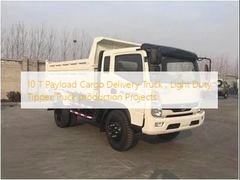
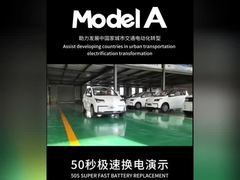
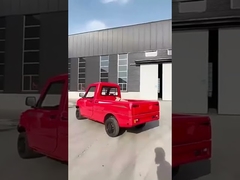
Brief: In this video, we explore the corporate project for establishing a 5-10 ton medium duty truck assembly line through a joint venture model. Stay tuned as we highlight the most important features and real-use results, including the strategic share structure, partner requirements, and the comprehensive support provided by our China auto manufacturer to ensure a successful and profitable assembly plant operation.
Related Product Features:
Joint venture model with 65% local and 35% China manufacturer shareholding for enhanced local engagement and support.
Designed for 5-10 ton truck series BH016D assembly, focusing on medium duty commercial vehicles.
Comprehensive support includes production line design, technology, staff training, and management guidance.
Requires partners with 5000-8000 sqm workshop and 15000-25000 sqm industrial land for operations.
Investment capacity of over $2 million USD (excluding land and workshop) from local partners is necessary.
Partners must have existing car sales channels or related automotive business experience.
Favorable import tariff gap of at least 30-35% between CKD and CBU terms is essential for profitability.
Prefers collaboration with industrialists, capitalists, and entrepreneurs over landlords for active partnership.
FAQs:
What is the share structure in the joint venture for the truck assembly plant?
The joint venture share structure is 65% held by local shareholders and 35% invested by the China auto manufacturer to foster local business enthusiasm, government support, and enterprise development.
What are the key requirements for a partner in this assembly plant project?
Partners need a 5000-8000 sqm workshop, 15000-25000 sqm industrial land, over $2 million USD investment capacity, automotive market channels, and a favorable import tariff gap of at least 30-35% between CKD and CBU terms.
What support does the China manufacturer provide in the joint venture?
The China manufacturer provides production line design, technology support, staff training, equipment installation and maintenance, management guidance, welding line, and general assembly line setup.
Why does the joint venture prefer partners who are industrialists or capitalists over landlords?
Industrialists and capitalists bring active engagement, industry experience, and working capital, ensuring collaborative growth, whereas landlords may only provide assets without contributing to operations or investment, which does not align with the win-win cooperation principle.